Signature Programs

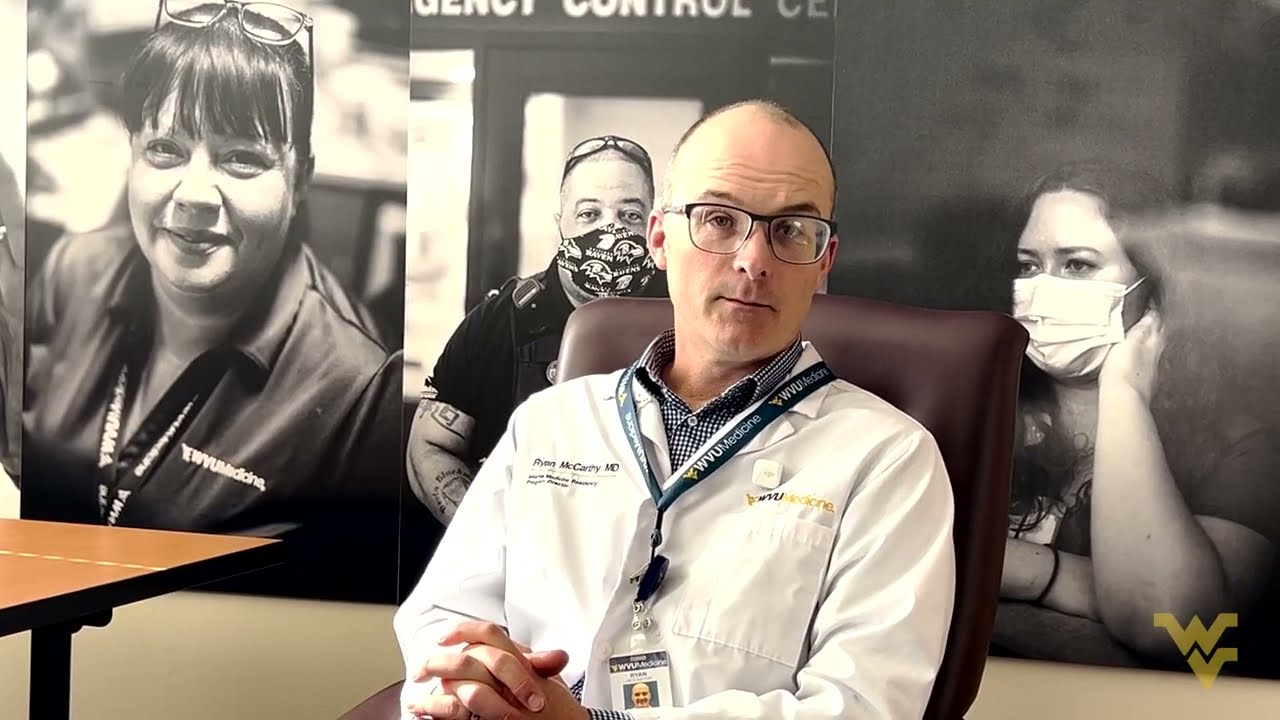
The Berkeley Medical Center Internal Medicine Residency Program proudly offers a diverse curriculum, strengthened by four unique signature programs, which aim to address major mental and physical health challenges in Appalachia and beyond. These four programs are Mountain Metabolics, Recovery and Hope, Healthcare is Human, and Take me Home.
Mountain Metabolics
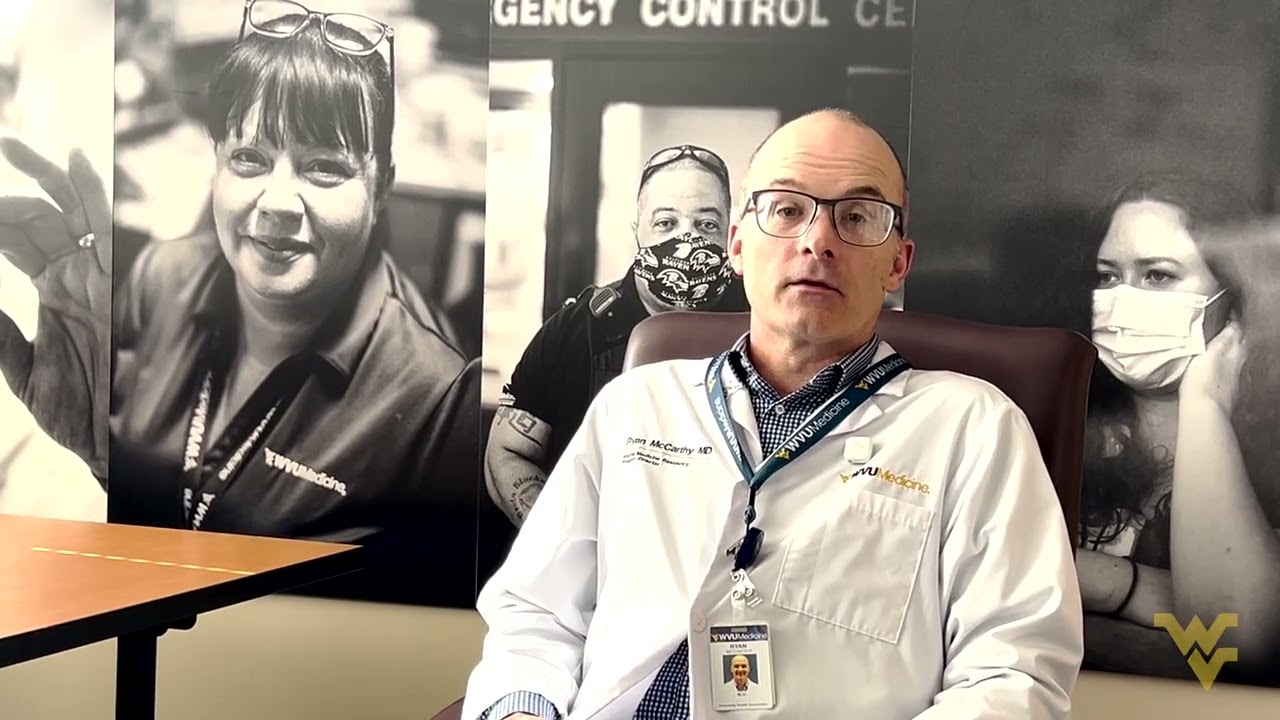
Diabetes, obesity and related metabolic conditions continue to be a primary threat to human health across West Virginia and the globe. To meet this challenge, residents learn from our team at the Center for Diabetes and Metabolic Health. They will understand the interdisciplinary approach to preventing and treating obesity, diabetes and related metabolic disorders across the lifespan, including endocrinology, embedded behavioral health and obesity medicine experts.
Residents will learn cutting-edge medical and population health approaches to care from prevention to the highest quality treatment for active diseases with end-stage microvascular and macrovascular complications. We have a 360-degree approach to metabolic conditions, including focusing on sleep, movement, food and stress, applied to all patients across the spectrum of pre-diabetes, type I DM, type II DM and diabetes in pregnancy and attendant cardiac, neurologic, oncologic and mental health complications.
Our campus is home to an innovative Farm to You program, which collaborates with local farmers to provide fresh, locally-grown produce to community members at no cost to promote healthier eating habits in our region. Our IMR curriculum fits seamlessly with the Culinary and Lifestyle Medicine Track offered through the WVU medical student curriculum. Through this wide range of resources, residents master advanced skills in treating metabolic conditions and impacting the lives of their patients and community.
Recovery and Hope
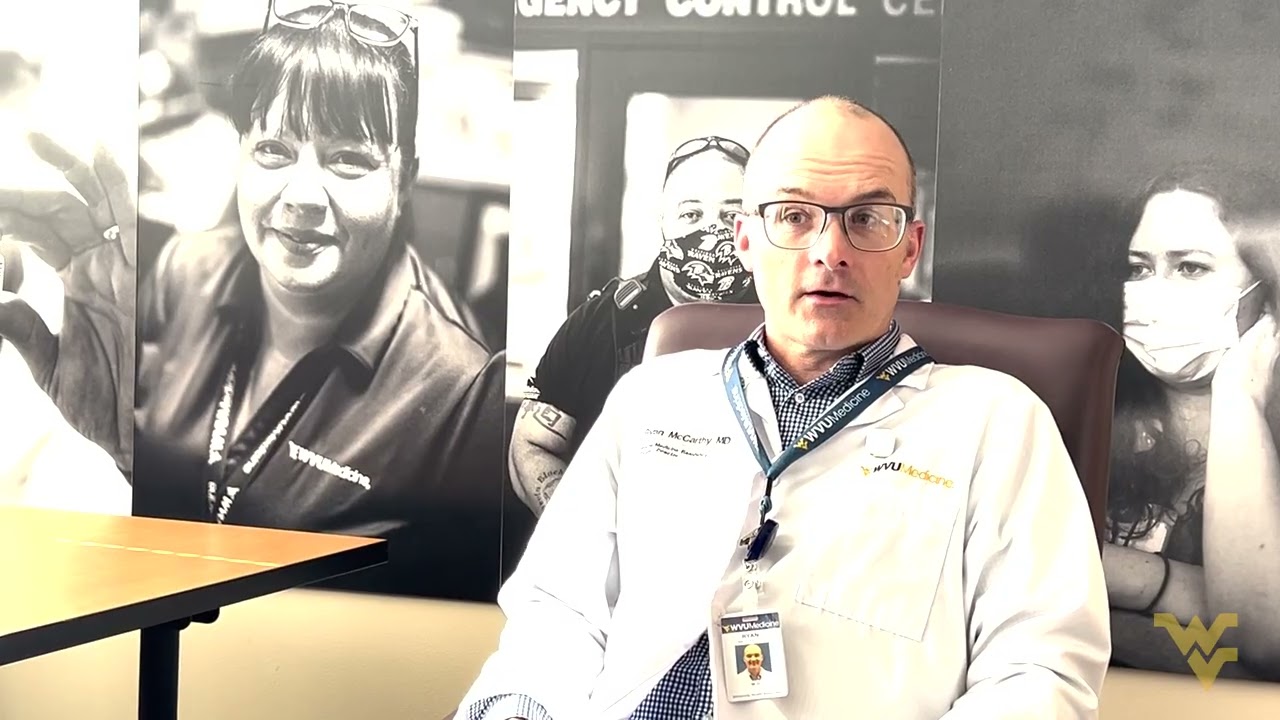
Substance use disorders (SUD) have ravaged Appalachia, as it has affected other parts of America, resulting in premature death and social devastation. Working alongside mental health, addiction and psychiatry teams, our residents learn to screen for and treat SUD and comorbid illnesses and coordinate care. A diverse group of experts, including psychologists, social workers and psychiatrists among other health professionals, provide training in best practices for treating SUD and its related conditions.
Through experiences in the inpatient psychiatric unit at Berkeley Medical Center and outpatient clinics, residents hone their skills and gain an advanced understanding of treating patients with SUD, working within a team of professionals, from prevention services to recovery management. Psychiatry and psychology faculty are integral partners in our didactic curriculum, helping IM residents gain a comprehensive understanding of mental healthcare.
Healthcare is Human
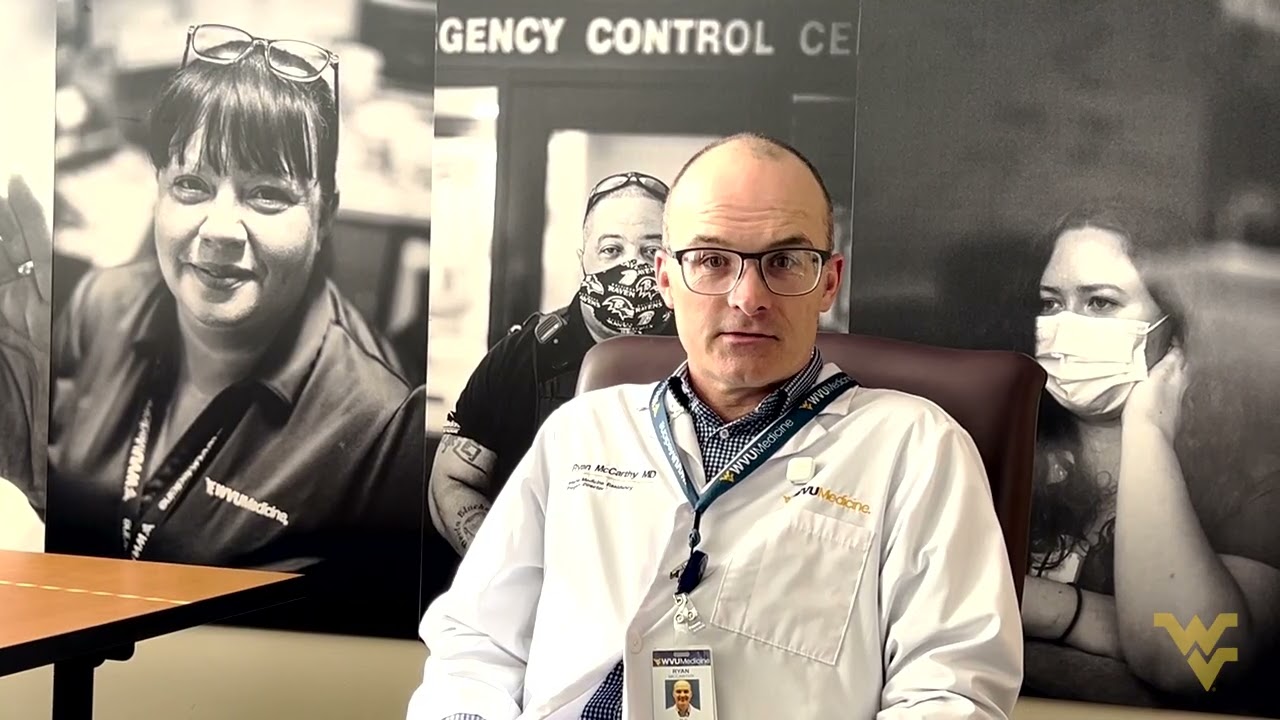
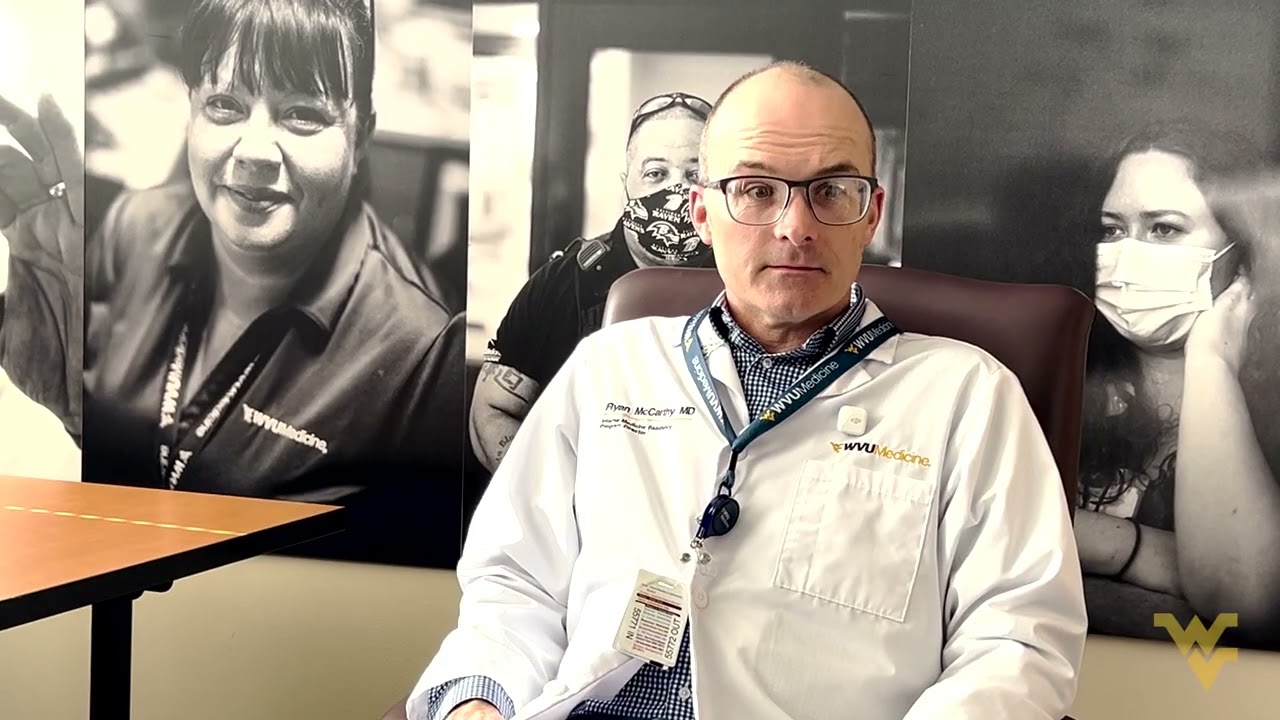
Created in 2020 by Berkeley Medical Center Internal Medicine Residency program director Ryan McCarthy, M.D., in response to the COVID-19 pandemic, Healthcare is Human (HIH) is an innovative narrative medicine initiative. Using Appalachian storytelling, HIH produces interviews, podcasts, poems, photographs, articles and more.
Residents are trained in the narrative skills of close reading and reflective writing. Through a series of lectures, events and experiences, HIH’s goal is to keep humanity at the center of medical care for patients and practitioners. Through creative experiences in arts and humanities, HIH promotes residents’ well-being and self-reflection, including opportunities for reflective writing. Storytelling skills are taught and narrative practices are developed so that residents can find meaning in their work and use these techniques to treat and prevent burnout.
HIH is featured on TED, the Arthur P. Gold Foundation, Narrative Mindworks, KevinMD, and several short films and museum exhibitions such as 1,000 Days in Appalachia. Residents will have the opportunity to create their own original narrative medicine projects for local, state and national presentations and work with the HIH creative team.
Healthcare is Human is active on Facebook, Instagram and the Healthcare is Human Podcast.
Take Me Home
West Virginia has a unique culture of caring for illness, dying, death and grief, centered around preserving independence and family. Our curriculum provides residents with the opportunity to work in a variety of settings to develop advanced skills in end-of-life care.
Working on the palliative care service at the BMC, along with educational support from experts at the Hospice of the Panhandle, residents develop their communication skills, goal clarification, learn to conduct family meetings and provide symptom management.
Advanced skills are taught by working on multidisciplinary teams including social workers, nurses, chaplains, case managers and other palliative care experts. End-of-life care and palliative medicine concepts are a critical component of didactic education and are integrated throughout the curriculum.