In Their Own Words: WVCTSI Research Scholars
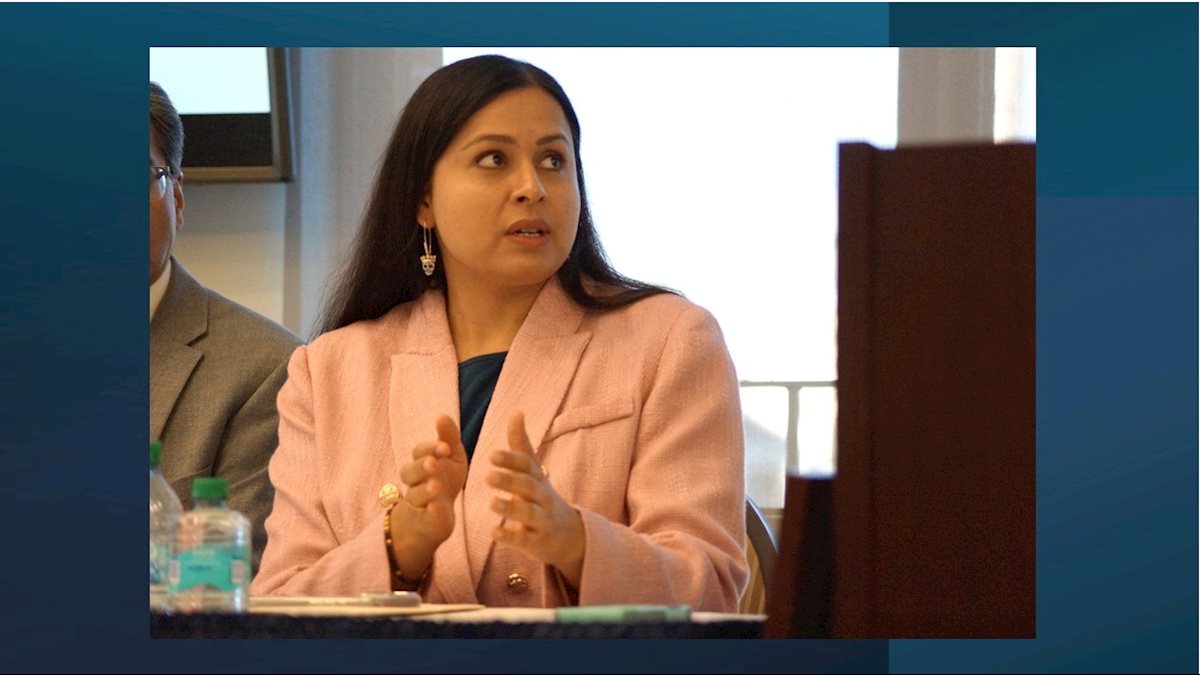
Sonikpreet Aulakh, MD - Assistant Professor, Medical Oncology, Translational Neuro-Oncology
- Chair, Oncology Fellowship Research Committee
- Director, Molecular Tumor Board
- Principal Investigator, Brain Tumor Laboratory and Brain Tumor Clinical Trials
- Department of Medical Oncology, West Virginia University Cancer Institute
What inspired you to pursue clinical and translational research?
My journey into clinical and translational research was sparked during my medical training, where I witnessed healthcare access problems in populations. As a medical student, I rotated through rural clinics and saw how limited resources hindered effective cancer care. This fueled my passion for bridging the gap between bench science and bedside application.
During my Internal Medicine residency at Wayne State University and Hematology-Oncology/Neuro-Oncology fellowship at Mayo Clinic, I delved into cancer cell biology, focusing personalized treatments in brain malignancies.
A pivotal realization came when I targeted a special protein in glioblastoma (most aggressive brain cancer) models, demonstrating its role in treatment resistance. Today, as a neuro-oncologist at West Virginia University, I am driven by the urgent need to address the dismal prognosis of fatal brain cancers like glioblastomas in rural Appalachia, where geographic and biological barriers exacerbate outcomes. Research is not just a career; it is a mission to turn lab discoveries into life-extending therapies for patients who defy the odds.
Can you give a brief overview of your current project or area of investigation?
My current research centers on unraveling the metabolic and immune remodeling in glioblastoma with a focus on translational therapies for Appalachian populations.
What did you find most helpful about the Research Scholar Program?
The WVCTSI Research Scholar Program has been transformative, providing protected time for research alongside mentorship and resources tailored to early-stage investigators like me. Most helpful has been the structured support for mentoring, grant writing and funding, which has enabled me to secure additional funding.
The program's emphasis on interdisciplinary collaboration—connecting me with experts in brain tumors, immunology, and rural health has accelerated my work on Appalachian-specific challenges. It also fostered my role in national and international scientific committees where I have contributed to improving trial enrollment. It is a launchpad that empowers investigators to translate ideas into impactful, patient-centered outcomes.
Was there a pivotal moment or mentor who helped shape your research path?
I have been extraordinarily fortunate to be surrounded by mentors who believed in me long before I fully believed in myself. From my early days as a medical student, professors pushed me toward excellence. During residency, program leaders gave me my first opportunities to present quality improvement projects nationally and taught me that rigorous thinking and compassion must go hand in hand. It was the continuous chain of mentorship that truly shaped my path.
Brilliant scientists and clinicians took time to sit with me and walk me through how to turn a biological hypothesis into a clinical study. They didn’t just teach techniques; they modeled perseverance, intellectual honesty, and an unwavering commitment to patients who have no options left.
My current collaborators and peer mentors continue to challenge and inspire me daily. Looking back, there wasn’t one single “aha” moment — there was instead a relay of hands passing the baton: each mentor adding momentum, refining my vision, and reminding me that translational research is a team sport.
What real-world impact do you hope your research will have?
I hope my research revolutionizes brain cancer care across the globe including rural areas like Appalachia, where patients face compounded challenges from limited trial access and unique tumor biology. By targeting tumor promoting mechanisms, I am aiming to extend survival of patients with brain malignancies.
How has mentorship or collaboration influenced your growth?
Mentorship has been the quiet engine behind every milestone in my career. From my earliest days as a medical student through residency, fellowship, and now as junior faculty, I have been extraordinarily fortunate to work with individuals who invested countless hours teaching me not only the science but the art of being a physician-scientist. Collaboration, in turn, has multiplied everything mentorship started.
Working shoulder-to-shoulder with pharmacologists, neurosurgeons, bioinformaticians, radiation physicists, rural health experts, and patient advocates has transformed the scope and impact of my research. Ideas that began as a single hypothesis in have evolved into multi-omics studies, novel clinical trial designs, and published recommendations that are already changing rural trial enrollment nationwide. These partnerships have taught me that the most meaningful breakthroughs rarely come from one mind, they emerge when diverse perspectives collide.
What has been your biggest challenge as an early-stage investigator, and how did you overcome it?
Like many early-stage investigators, my greatest challenge was transforming ambition into sustainable momentum with limited resources and protected time. Launching a translational neuro-oncology program while maintaining a busy clinical practice required building everything. I leaned heavily into institutional help and said yes to meaningful collaboration offered. Every partnership opened doors I could never have opened solo. The result is a growing team, all built on the philosophy that resourcefulness, persistence, and genuine teamwork can turn even the leanest beginnings into something durable and impactful. That lesson now shapes everything I do and every trainee I mentor constraints are real, but they are also the force that sharpens the strongest programs.
What’s next for your research?
Over the next five to ten years, my program will pivot toward artificial intelligence (AI)-enabled precision neuro-oncology, an area widely expected to dominate the field. By integrating multimodal data (advanced imaging, spatial transcriptomics, liquid biopsy, and real-world outcomes), we are building foundation models that can predict individual tumor behavior, anticipate resistance mechanisms, and recommend optimal therapy combinations in real time. These AI systems will move us from one-size-fits-all protocols to truly dynamic, adaptive treatment plans that evolve with each patient’s tumor.
How do you stay motivated when things don’t go as planned?
I draw motivation from my patients' resilience. Their stories remind me that even small wins, like maintaining quality of life, matter profoundly.