In Their Own Words: WVCTSI Research Scholars
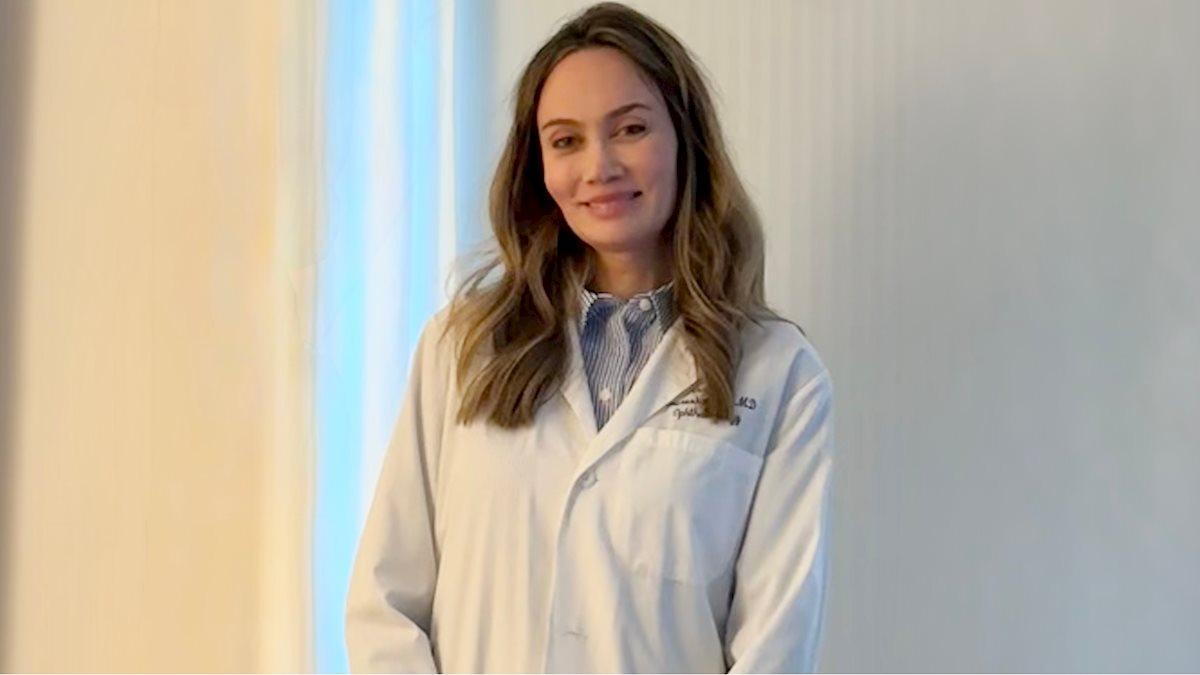
Annahita Amireskandari, MD - Assistant Professor, Department of Ophthalmology & Visual Sciences, WVU School of Medicine
What inspired you to pursue clinical and translational research?
I’ve had an interest in clinical research since my undergraduate years. As I started focusing on ophthalmology, I saw that there was potential for collaborative projects with other departments such as neuroscience and engineering so I continued to develop these studies as a junior faculty member. I really enjoy working on a team with people who have different areas of expertise and have learned so much from each of them. I believe that we can make a big difference to a large number of people with studies that are directly translatable to real life.
Can you give a brief overview of your current project or area of investigation?
My overall research focuses on the use of oculomics in neurodegenerative disease. For my Research Scholar’s project, I am looking at the use of retinal imaging as a biomarker for mild cognitive impairment due to Alzheimer’s disease. We are trying to understand if retinal images can help us better understand this complex disease’s course and who is most likely to benefit from the novel treatments that are emerging. This is a multidisciplinary effort between ophthalmology, the Rockefeller Neuroscience Institute and our colleagues at WVU’s Lane Department of Computer Science and Electrical Engineering.
What did you find most helpful about the Research Scholar Program?
The Research Scholar program has been helpful in so many ways, but I would say the number one thing is the people—from our WVCTSI mentors and leadership to my fellow Research Scholars. It has been great learning from each other and making connections with people I might not have had the chance to meet otherwise. Joan and Courtney genuinely care about us and have invested so much time and effort into making sure we are successful on our individual paths.
How has your background (clinical, academic, or personal) influenced your research approach?
My background is clinical so I prioritize patients’ health and wellbeing as number one. I have also had family members with dementia so I’ve seen personally how hard it can be for everyone involved. These patients and their family members are going out of their way, often taking off work or travelling long distances, to participate in our studies with the goal of helping others in the future. We have to be flexible--sometimes things take a little longer or we’re not able to complete all of the testing, but that’s OK. I’m just very grateful that they’re willing to be part of this work. It has been great getting to know them and hearing their personal stories. We have some very cool people in our studies!
What real-world impact do you hope your research will have?
I hope that we can gain a better understanding of the disease course and treatment outcomes in patients with Alzheimer’s disease. If low cost, noninvasive retinal scans can provide information on disease progression or how an individual will respond to costly new treatments such as anti-amyloid monoclonal antibody therapy, this could benefit patients and providers everywhere. Efficient tools for disease and treatment monitoring are particularly critical for areas like rural Appalachia where patients may have limited access to things like subspecialty care and neuroimaging.
What advice would you give to researchers entering similar programs?
I would say it’s important to keep focused on your goals but also to keep an open mind. As you start working with new people and learning from them, as well as, from your own ongoing research, you’ll likely need to adjust your plans along the way so it helps to be flexible.
What lessons would you share with others launching or growing their research careers?
As I mentioned, having perseverance and flexibility are key. Also, identifying some strong mentors who truly care about your personal and professional success can make a world of difference. Don’t be afraid to cold call or reach out to an expert in your field to ask for advice or mentorship. If that person doesn’t have the time, maybe he/she can refer you to someone just as great who does.
What’s next for your research?
I’m working on expanding upon our current work by forming partnerships with outside institutions. As Alzheimer’s is so complicated and multiple groups are interested in ophthalmic biomarkers for the disease, it’s critical that we work collaboratively to make the most of our findings and, in turn, have the biggest impact on patient outcomes.
How do you stay motivated when things don’t go as planned?
I try to keep an open mind and focus on long term goals. Most things that are worthwhile take time and effort. Hearing from my mentors about their past struggles reminds me that everyone experiences ups and downs along the way. Listening to our patients’ stories really puts things in perspective and reminds me of what’s most important at the end of the day.