In Their Own Words: WVCTSI Research Scholars
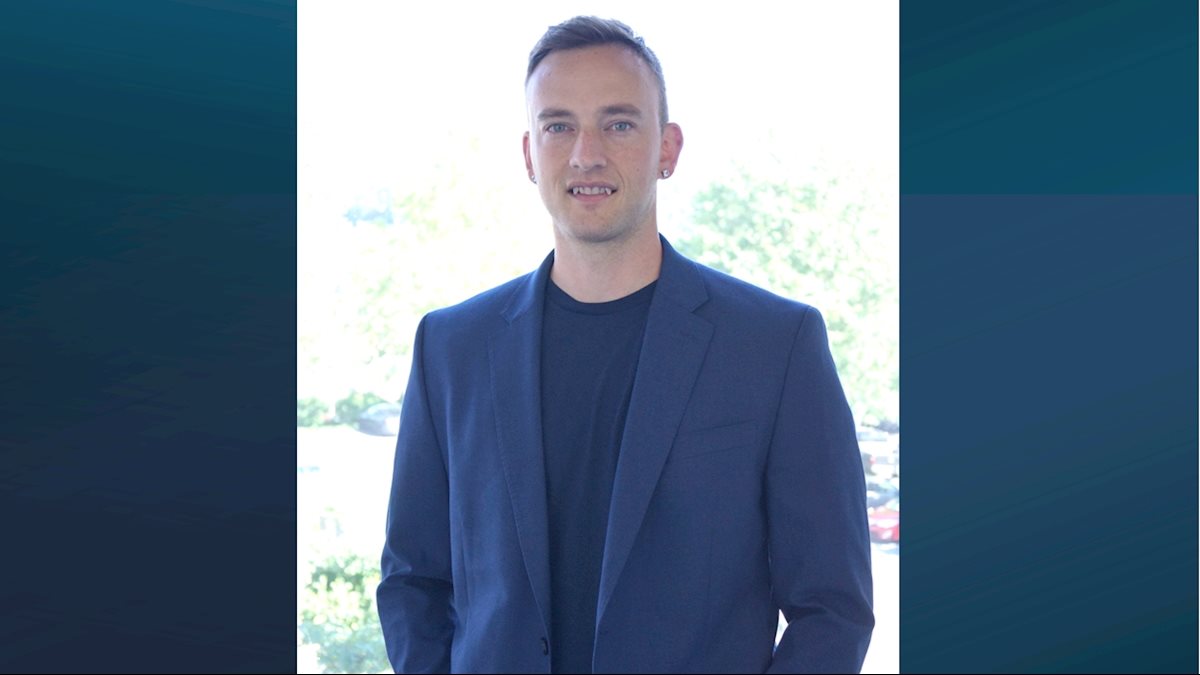
Evan DeVallance, PhD - Research Assistant Professor, Department of Physiology, Pharmacology, and Toxicology, WVU School of Medicine
What inspired you to pursue clinical and translational research?
I want t make a difference and I want to impact human health. While I am driven to understand pathologies at the cellular and molecular level if I can’t validate my findings in translational models or clinical sample it’s not worth pursuing.
Can you give a brief overview of your current project or area of investigation?
My research fcuses on epigenetic mechanisms of cardiovascular health. My Research Scholars project aims to establish an epigenetic factor as a driving force of brain endothelial cell dysfunction and mediator of neurovascular inflammation leading to cognitive decline.
What did you find most helpful about the Research Scholar Program?
The structure and interactins with other talented young researchers in the program were extremely helpful. The oversight, mentoring, and leadership from Dr. Joan Lakoski and Dr. Courtney DeVries have been very influential in my success.
How did you choose your current research focus or area of study?
Ever since I was introduced to the idea of epigenetics and the hallmark study identified epigenetic gene regulation as dynamic not static, I knew this was going to be an important scientific field. Even without a mentor in the field, I knew if I could incorporate epigenetics into my training as a redox biologist that I’d be able to develop a novel niche. Relating back to making a clinical impact, I saw epigenetics as being an important area for understanding cardiovascular disease pathology in the future.
What real-world impact do you hope your research will have?
I hope my research provides a better understanding of cardiovascular and cerebrovascular pathologies leading to identification of novel therapeutic targets and ultimately new clinical options for the treatment of these diseases.
What skills or resources have been most valuable to you as a developing investigator?
It is not a skill, but my resiliency/ work ethic has allowed me to capitalize on this opportunity supported by critical mentorship, guidance, and resources provided by Drs. Chantler, Kelley, Levick, and Robart. All were instrumental in my acquisition of the American Heart Career Development Award, this Research Scholars Award and development of my R01 projects.
What has been your biggest challenge as an early-stage investigator, and how did you overcome it?
The biggest challenges have been a lack of resources, no security, and a lack of investment in my future as a scientist. I have overcome these challenges by working extremely hard, and taking criticism, along with support, from my mentors. This allowed me to develop competitive grant applications at critical times in my career. Without the individuals listed above and the support from the WVCTSI Research Scholars, my career in science would be ending. Taking time to exercise in the Human Performance Lab was also important in dealing with the stress from these challenges.
How do you see your career evolving over the next five years?
With my first R01 scoring in the funding range and my second R01 being discussed but just outside the funding range, I hope I can secure some stability and transition to the next phase of my career. This will afford me the opportunity to recruit students to start mentoring future epigenetic scientists. I envision utilizing newly developed techniques to further expand my research into clinical populations. I also plan to leverage my molecular/ cellular findings into the development of small molecules to block or mitigate interactions between redox signaling and pathologic epigenetic changes.
What do you enjoy doing outside of research?
While I work as a researcher, my favorite job is being Dad and hanging out with my family. I volunteer in my community predominantly via coaching youth sports (football, soccer, basketball, and baseball) and I recently became the head track coach for the Fayette County Special Olympics. I enjoy cooking, eating, and working out (my undergraduate degree is in health and kinesiology from Purdue University -- I interned as a strength and conditioning coach for Purdue Athletics).